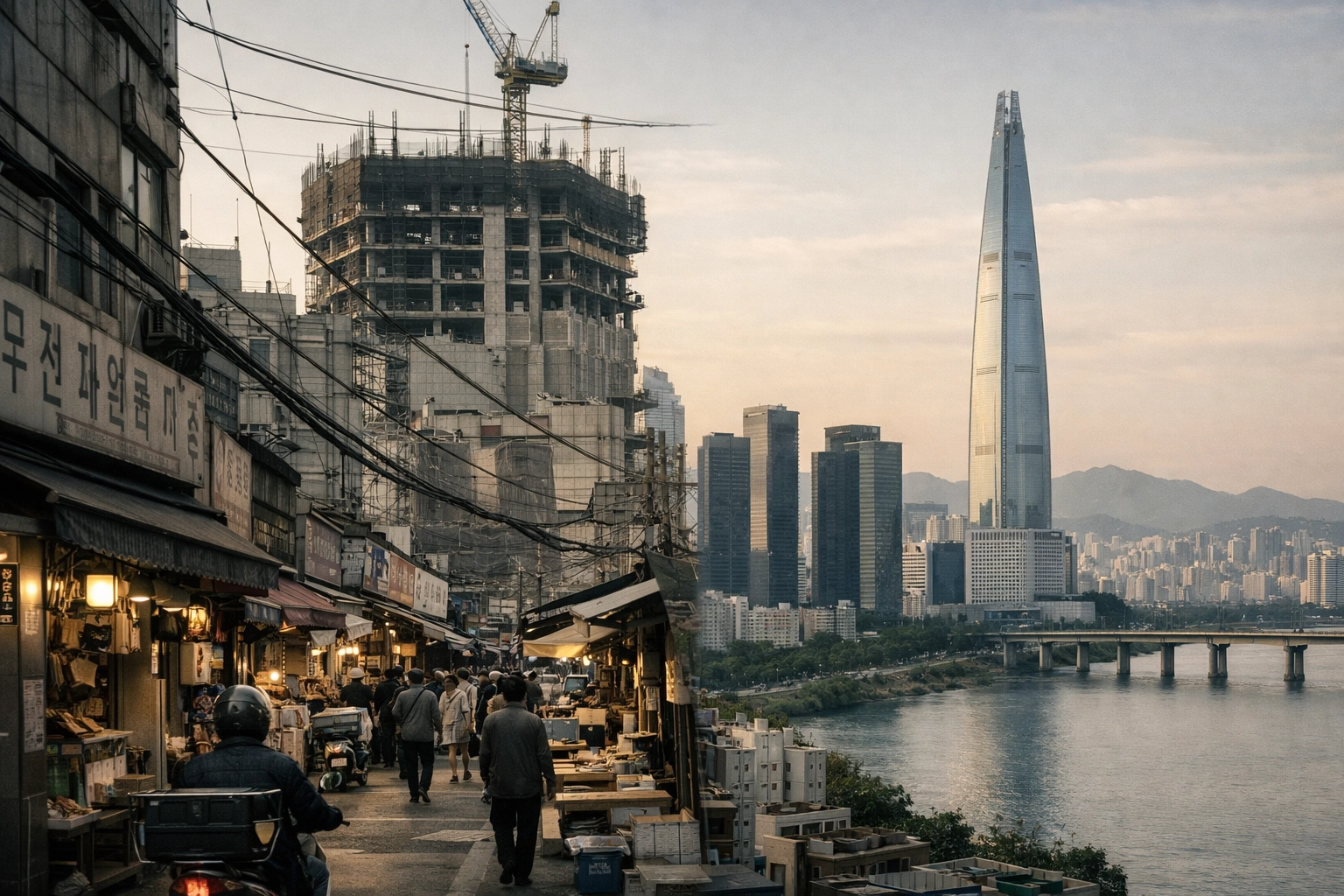

For many American manufacturers, the decision to "go global" follows a predictable script. You look at Western Europe for cultural alignment or China for sheer volume. But there is a specific, high-velocity node in the global economy that most brands treat as a secondary destination when it should be their primary laboratory: South Korea.
Entering the Korean market is not just an expansion; it is a structural recalibration of how your brand operates. It is the difference between simply selling a product and becoming a strategic architect of a cross-continental legacy.
In the corridors of Seoul’s business districts, the conversation isn't about whether a brand can survive. It’s about how quickly it can adapt to a consumer base that lives three years into the future. If you are an American brand looking to scale, a strategic Korea market entry plan isn't a luxury: it’s the missing gear in your growth engine.
The Proving Ground: Why Korea is Your Brand’s Ultimate Stress Test
Most American brands make the mistake of viewing South Korea through the lens of population size. With roughly 52 million people, it’s smaller than many U.S. states or European clusters. But this is the wrong metric. In the bcdW framework, we don't look at headcount; we look at density and velocity.
South Korea is the 10th largest economy in the world, but more importantly, it is the most concentrated premium consumer market on the planet. When you enter Korea, you aren't just looking for buyers; you are looking for early adopters who demand perfection.

The Tech-Savvy Consumer Paradox
Korean consumers have one of the highest internet penetration rates globally. They don't just use apps; they live within digital ecosystems like KakaoTalk and Naver. For an American manufacturer, this presents a unique challenge: your global branding might be prestigious, but if your digital integration is slow, the market will ignore you.
Scaling here requires a "Not X, but Y" approach. It’s not about bringing your American success to Korea; it’s about using Korea to refine your brand for a digital-first world. If your product can survive the scrutiny of a Seoul consumer, it is ready for any market in the world.
The Gateway Logic: Scaling Beyond the Peninsula
A strategic Korea market entry plan is rarely just about Korea. For the sophisticated operator, Seoul is the springboard into the broader Asia-Pacific region.
Geographically and logistically, South Korea sits at the center of the world's most active trade routes. It offers direct, high-efficiency access to China, Japan, and the burgeoning markets of Southeast Asia. By establishing a foothold here, you aren't just entering a country; you are installing a regional hub.
World-Class Logistics as a Catalyst
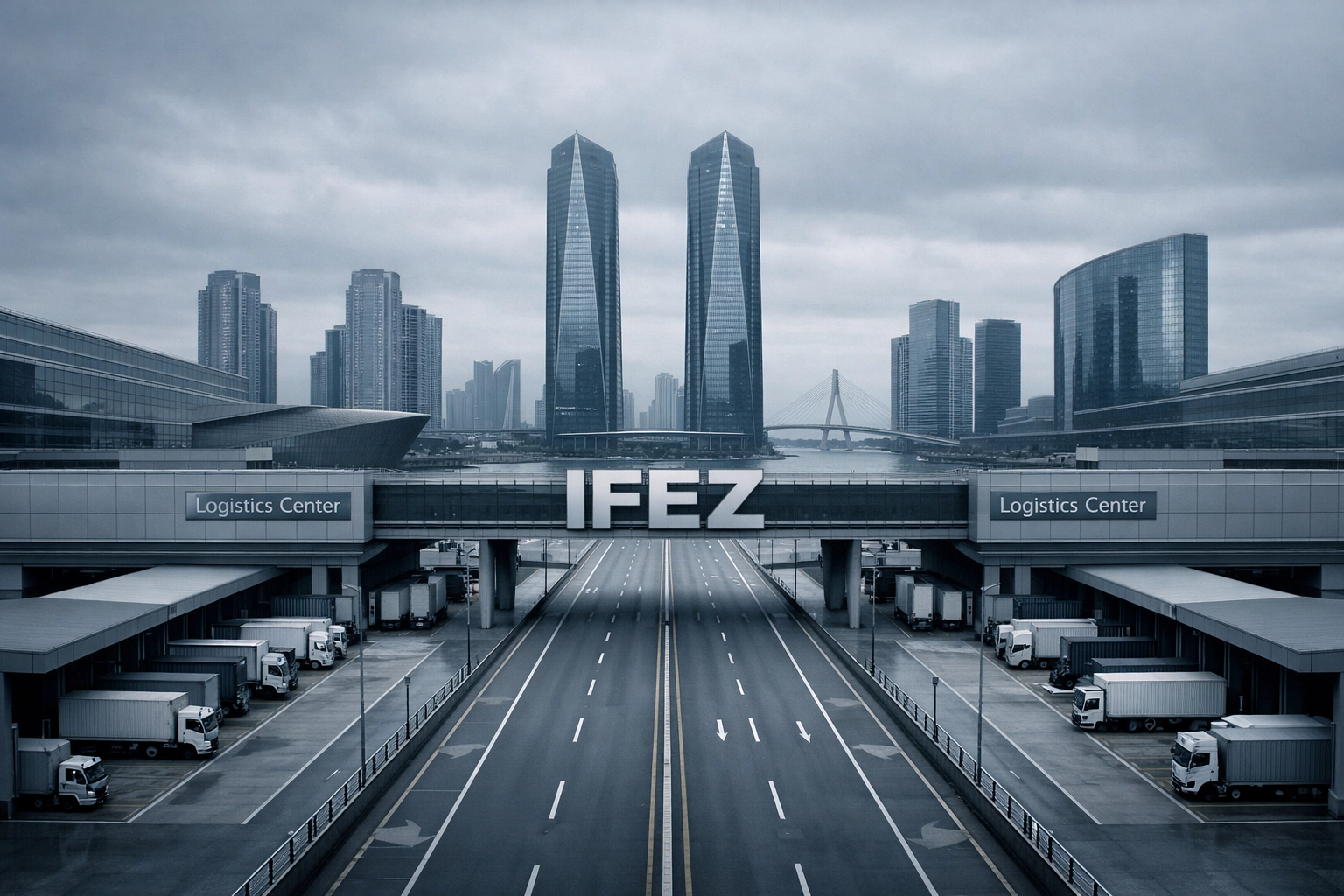
American manufacturers often struggle with the "last mile" in Asia. Korea solves this through a world-class logistics infrastructure that makes most U.S. shipping lanes look antiquated. Whether it’s the efficiency of Incheon International Airport or the hyper-local delivery networks of platforms like Coupang, the speed of commerce here is a strategic catalyst for your brand scaling efforts.
When you scale in Korea, you are building the operational muscle required to dominate the 21st-century economy. You are learning how to move goods and ideas at a pace that the Americas are only just beginning to emulate.
The Infrastructure of Opportunity: Incentives and Support
One of the most overlooked aspects of Korea market entry strategy is the level of institutional support available to foreign investors. The South Korean government doesn't just allow foreign investment; it actively architects it.
From Free Economic Zones (FEZs) to substantial tax breaks and subsidies, the barriers to entry are often lower than many American CEOs realize: provided you have the right map.
- Tax Exemptions: Certain high-tech industries can see corporate tax exemptions lasting up to 15 years.
- Customs Relief: For manufacturers, the VAT and customs relief in specific zones can significantly alter the COGS (Cost of Goods Sold) equation.
- Cash Grants: The government frequently provides cash grants for facility investments that bring innovative technology into the local ecosystem.
But these incentives are not "low-hanging fruit." They require a strategic architect who understands how to align a brand's corporate goals with Korea’s national economic priorities. This is where the bcdW Digital Bridge comes into play: connecting the dots between American innovation and Korean institutional support.
The Localization Paradox: Maintaining Identity While Adapting offering
How do you stay "American" while feeling "Korean"? This is the central tension of any successful brand scaling strategy in East Asia.
Look at Starbucks or Tesla. They didn't succeed in Korea by stripping away their global identity. Instead, they localized the experience. Starbucks in Korea isn't just a coffee shop; it’s a high-design community hub that integrates seamlessly with local digital payment habits. Tesla isn't just a car; it’s a statement on Korea’s rapid shift toward green energy and autonomous infrastructure.
The Strategic Architect’s Blueprint
To scale effectively, you must understand that "localization" is not a translation exercise. It is an architectural one. You are rebuilding your brand's value proposition to fit into a different urban framework.
- Digital Integration: If you aren't on Kakao and Naver, you don't exist.
- Service Excellence: The Korean standard for customer service is "Palipali" (hurry, hurry): a culture of speed and precision that American brands must adopt to remain competitive.
- Visual Language: The aesthetic demands of the Korean market are high. Your packaging, UI/UX, and physical presence must be elevated to meet a "premium-by-default" expectation.
Why the "Digital Bridge" is Your Most Critical Asset
At bcdW, we believe that the most consequential economic connections of this century run between the Americas and Asia. But those connections are often invisible to the naked eye.
Entering the Korean market without a strategic partner is like trying to navigate Seoul’s subway system without a map: you might eventually get where you're going, but you'll waste a tremendous amount of capital and time in the process.
Our Digital Bridge consulting service is designed to act as your local connector and project coordinator. We don't just give you a report; we help you navigate the transition from a virtual strategy to an on-the-ground reality. We move in the space between markets, revealing the connections that allow American manufacturers to scale with confidence.

From Vancouver to Seoul: A New Economic Destiny
Whether your brand is based in Vancouver, Medellín, or New York, the logic remains the same: the future of your brand is tied to your ability to operate across continents. South Korea is the most efficient, tech-forward, and strategically positioned market to begin that journey.
The question isn't whether your brand belongs in Korea. The question is whether you have the strategic architecture in place to handle the growth that follows.
Moving Beyond the Export Mindset
A true Korea market entry strategy is not about exporting products; it is about importing a new way of doing business. It’s about taking the rigor, speed, and digital sophistication of the Korean market and injecting it back into your global operations.
When you scale your brand in Korea, you aren't just adding a line item to your revenue. You are participating in a global convergence of talent, capital, and innovation. You are proving that your brand is not just a local success, but a global necessity.
The dots are there. The infrastructure is ready. The consumer is waiting. The only thing missing is the strategic plan to connect them.
Interested in how your brand can bridge the gap between the Americas and Asia? Explore our In the Rubble of War case study to see how bcdW approaches complex global challenges with structural solutions.